
If your lights flicker, your circuit breakers trip too often, or your home still has the same wiring it was built with decades ago, you might be wondering if it’s time for a rewire. Electrical wiring, like everything else in a home, doesn’t last forever. Over time, insulation breaks down, standards change, and your household power needs grow.
In this guide, the team at One Point explains how to tell when it’s time to rewire your home, what the process involves, and how professional electricians can help you keep your home safe and efficient.
Why Rewiring Matters
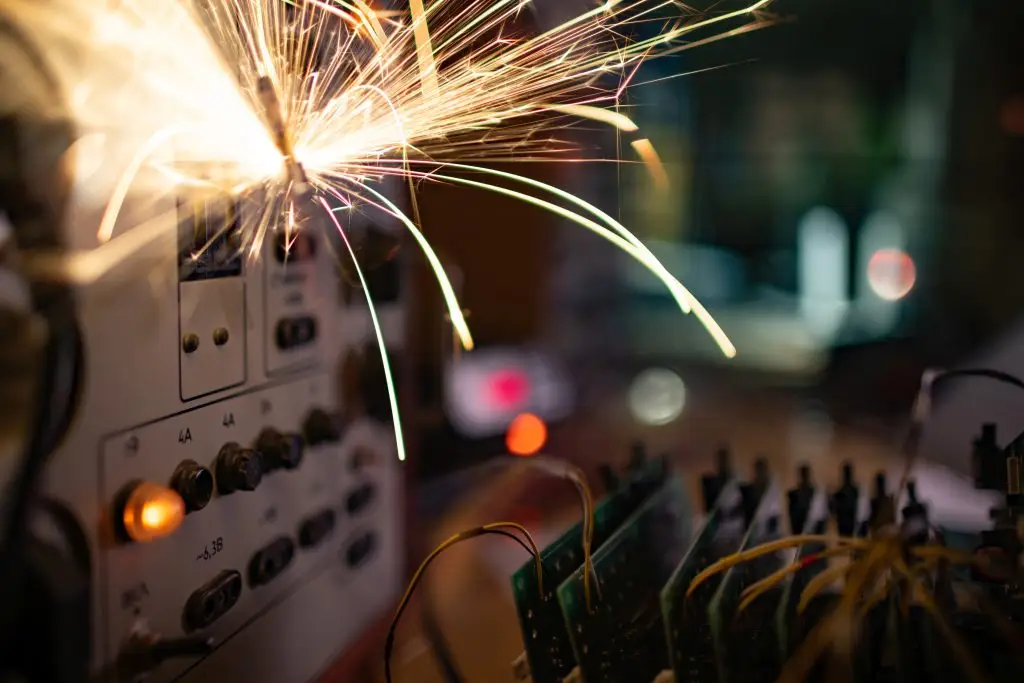
Your home’s wiring is the backbone of your electrical system. When it starts to age or fail, the risks go beyond flickering lights or dead outlets. Faulty wiring is one of the leading causes of electrical fires in Australian homes, and it can also damage your appliances or put your family at risk of shock.
Rewiring is about peace of mind. It ensures your home meets current electrical standards, handles modern loads safely, and keeps your power running smoothly.
Common Signs It’s Time to Rewire
After reviewing advice from industry experts and Australian homeowners, here are the most reliable signs your house may need home rewiring:
1. Frequent Circuit Breaker Trips
If your circuit breakers trip regularly or your fuses blow often, your electrical system is struggling to keep up. This can be due to overloaded circuits or deteriorating wiring.
2. Flickering or Dimming Lights
When lights flicker or dim while using other appliances, it can mean your wiring isn’t delivering stable power. This issue can start small and worsen over time if ignored.
3. Burning Smells or Scorch Marks
A burning smell near outlets or switches should never be ignored. It could indicate that wires are overheating behind the walls. Scorch marks or warm outlets are also strong warning signs.
If this happens, switch off your power if it’s safe and call an emergency electrician right away.
4. Outdated or Cracked Wiring
Older wiring materials like rubber, cloth, or aluminium degrade with age. In homes built more than 40 years ago, insulation can crumble, leaving exposed wires that are unsafe.
If your property still has these materials, book an inspection with One Point’s home rewiring specialists.
5. Buzzing Noises or Power Surges
A faint buzzing sound from outlets or your switchboard is not normal. It can mean loose connections or faulty circuits. The same applies to frequent power surges, which can damage electronics and increase the risk of fire.
Our electrical fault finding team can trace the source of the issue and advise if rewiring is required.
6. Discoloured or Outdated Switchboard
If your switchboard is old, lacks safety switches, or shows visible wear, it’s likely not compatible with modern wiring or devices. In many cases, rewiring is paired with a switchboard upgrade to ensure your system is up to standard.
7. You’re Renovating or Expanding
If you’re renovating, adding rooms, or installing new high-demand appliances, now is the perfect time for a house rewire. It’s easier, more cost-effective, and prevents future disruptions once walls are sealed again.

What Happens If You Don’t Rewire
Many homeowners put off house rewiring because their power “seems fine.” But wiring issues often develop quietly behind walls and ceilings, and by the time visible symptoms appear, the damage may already be done. Ignoring outdated or faulty wiring can lead to far more serious and costly problems down the track.
Here’s what can happen if rewiring is delayed for too long:
1. Electrical Fires and Shock Hazards
Old or deteriorating wiring is one of the leading causes of house fires in Australia. As insulation breaks down, wires can arc or overheat, sparking fires inside wall cavities where they often go unnoticed until it’s too late. Damaged wiring can also cause electric shocks when plugging in appliances or switching on lights.
Even minor tingles or buzzing outlets should be treated as red flags. If you ever notice burning smells, sparks, or smoke, turn off your main power if it’s safe to do so and contact an emergency electrician immediately.
2. Damage to Appliances and Electronics
Faulty wiring doesn’t deliver consistent voltage. Sudden power surges, voltage drops, and short circuits can destroy or shorten the life of expensive electronics such as TVs, computers, or kitchen appliances. In some cases, you may also lose data or damage sensitive components like chargers and power supplies.
3. Frequent Outages and Power Loss
If you’ve been resetting circuit breakers or replacing fuses more often than usual, it’s a sign your wiring can’t handle your home’s electrical demand. Outdated systems were never designed to support today’s load — multiple air conditioners, computers, ovens, and chargers running at once. Without new wiring, those outages will only get worse over time.
4. Higher Long-Term Repair Costs
Rewiring may seem like an investment now, but leaving it too long can lead to compounded issues later. When wiring fails in one area, it often places extra strain on the rest of the system. That means more faults, more patch jobs, and higher repair bills over time. A planned home rewiring project now can save you from expensive emergencies down the road.
5. Voided Home Insurance
Most insurers require that a home’s electrical system is maintained to current safety standards. If a fire or damage occurs and an investigation finds outdated or unsafe wiring, your claim may be denied. Regular inspections and rewiring not only keep your home safe but also protect your coverage.
6. Risk During Storms and High Loads
During storms, power surges and lightning strikes can overload old wiring instantly. Likewise, high summer electricity usage can overheat ageing cables and circuit connections. Without modern insulation and safety switches, your wiring simply isn’t equipped to handle those stress levels safely.
How Often Should You Rewire?
Most modern homes with copper wiring and updated safety switches should be inspected every 10 to 15 years. Older homes, especially those built before the 1980s, may need a full rewire if they’ve never been updated.
If you’re unsure, our electricians know how often to rewire and can inspect your system and tell you exactly what condition your wiring is in. You may only need partial home rewiring or a switchboard upgrade instead of a complete overhaul.
Our Rewiring Process
When you choose One Point, you’ll get a straightforward, transparent process:
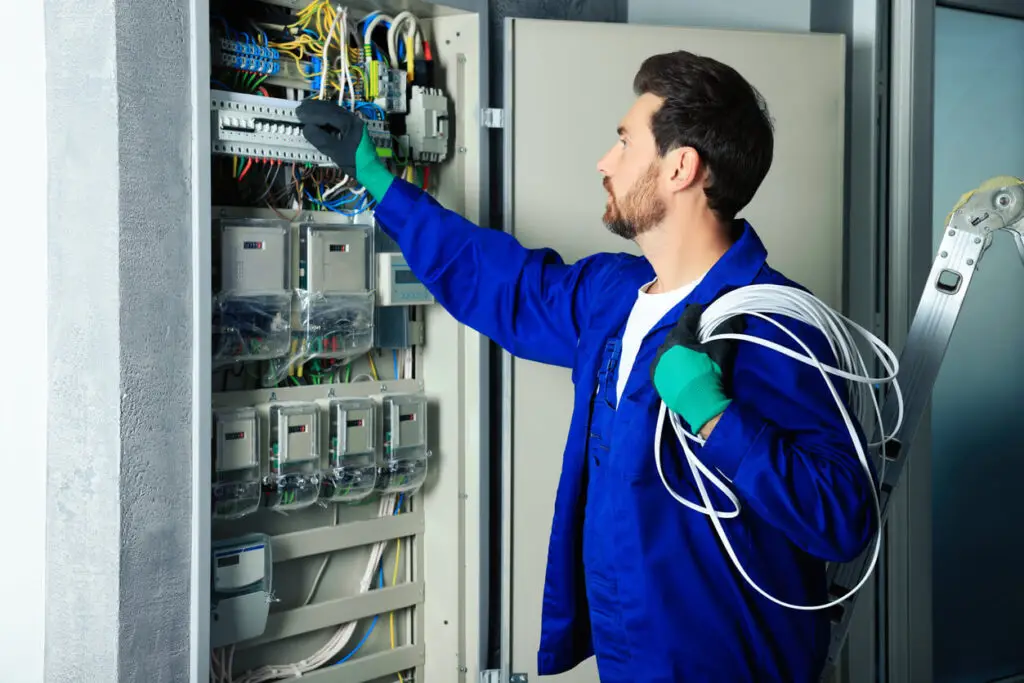
- Inspection: Our licensed electricians inspect your wiring, outlets, and switchboard for signs of wear or hazards.
- Recommendation: We’ll let you know whether a partial or full rewire is best, and provide a fixed quote.
- Rewiring: We replace old cables, upgrade your switchboard if needed, and bring everything up to current safety codes.
- Testing: Once complete, we test every circuit and provide full compliance certification.
- Follow-up Support: We’re always available for maintenance or further support if issues arise later.
FAQs
How do I know if my wiring is safe?
Is rewiring messy?
Some wall access is required, but we plan our work carefully to minimise disruption. We clean up daily and keep communication clear throughout the job.
Can I rewire only part of my home?
Yes. Sometimes only certain circuits or rooms need new wiring. We’ll assess the condition and recommend whether a partial or full rewire makes sense.
How long does rewiring take?
For an average single-storey home, a full house rewire can take around three to five days. This varies depending on the size and complexity of your property.
Will rewiring fix my power issues?
In most cases yes. Rewiring addresses the root cause of tripping circuits, flickering lights, and unstable power.
Call One Point for Reliable Home Rewiring in Sydney
If you’ve noticed flickering lights, tripping circuits, or other warning signs, it’s time to have your wiring checked. The licensed electricians at One Point can inspect your home, explain your options, and handle everything.
Call One Point today or request a quote online to keep your home safe, efficient, and up to current electrical standards.

